
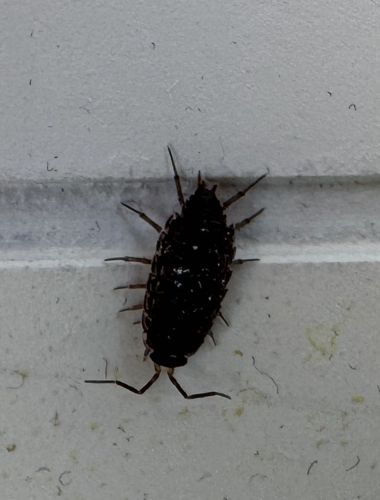
Woodlouse
Various genera including Porcellionides, Porcellio, and Oniscus
- Order & Family
- Order Isopoda, Suborder Oniscidea
- Size
- Typically 6 to 20 mm (0.24 to 0.79 inches) in length.
Natural Habitat
Damp, dark places such as under rocks, logs, leaf litter, decaying wood, garden debris, and sometimes in basements or other moist indoor environments.
Diet & Feeding
Detritivores, feeding on decaying plant and animal matter, fungi, algae, and sometimes tender plant seedlings.
Behavior Patterns
Nocturnal, seeking moisture and darkness during the day. They have gills and require moist environments to breathe. Some species can roll into a ball (conglobation) for defense. They undergo a series of molts as they grow.
Risks & Benefits
Generally harmless to humans; they do not bite or sting and are not known to transmit diseases. They can be beneficial as decomposers, breaking down organic matter and enriching soil. However, in large numbers, they can sometimes damage young plants or seedlings in gardens, and their presence indoors usually indicates excessive moisture, which can lead to other problems like mold.