
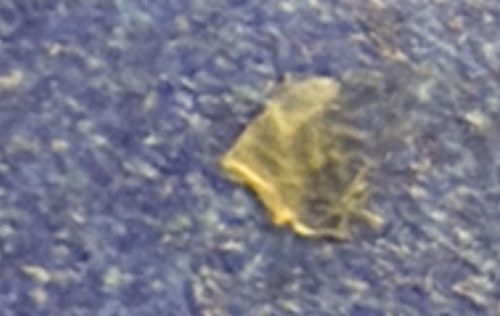
Bed Bug (Exoskeleton/Shed Skin)
Cimex lectularius
- Order & Family
- Hemiptera: Cimicidae
- Size
- Nymph skins can range from 1 mm to 4.5 mm depending on the life stage.
Natural Habitat
Found almost exclusively in human dwellings, typically in cracks and crevices near sleeping areas, such as mattress seams, box springs, headboards, and baseboards.
Diet & Feeding
Strictly hematophagous, feeding solely on the blood of warm-blooded animals, primarily humans. They require a blood meal to molt into the next life stage.
Behavior Patterns
The presence of shed skins (cast skins) is a strong indicator of an infestation. Bed bugs go through five nymphal stages, molting at each stage. They are nocturnal and cryptic, hiding during the day and emerging at night to feed.
Risks & Benefits
Risks: Their bites cause itching, welts, and potential allergic reactions. The psychological stress of an infestation is significant. They are not known to transmit diseases directly to humans. Benefits: None known.