Mould Mite (also spelled Mold Mite)
Scientific Name: Tyrophagus putrescentiae
Order & Family: Order: Sarcoptiformes, Family: Acaridae
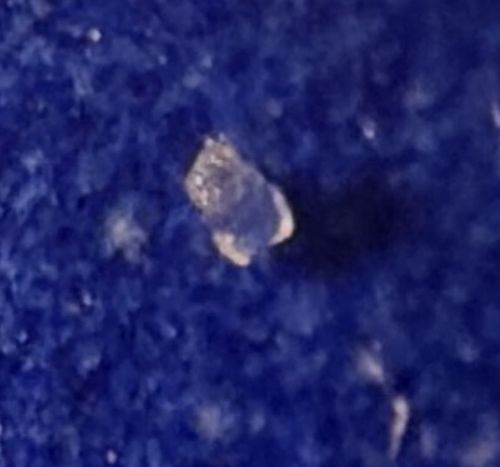
Size: Microscopic to barely visible; adults range from about 0.3 mm to 0.4 mm in length. They generally appear as tiny, slow-moving white specks.
Natural Habitat
They thrive in humid environments with high moisture levels (usually above 85% relative humidity). Commonly found in food storage areas, damp walls, on moldy food products like cheese or grain, and sometimes on furniture or textiles where fungal growth is present.
Diet & Feeding
They feed principally on fungi (mold) growing on surfaces or food. They can also feed on food products rich in fat and protein, such as ham, cheese, grain, flour, and dried fruit, especially if those items have started to spoil or develop mold.
Behavior Patterns
Mould mites reproduce rapidly in favorable humid conditions. They are photophobic (light-avoiding) and tend to congregate in high numbers, appearing like 'living dust.' They go through egg, larval, and nymphal stages before adulthood.
Risks & Benefits
Risks: They do not bite or sting humans, but their presence indicates mold issues and high humidity. In large numbers, they can cause allergic reactions (dermatitis) in sensitized individuals, known as 'grocer's itch.' They also contaminate and spoil stored food. Benefits: They act as decomposers in nature, though they are considered pests in homes.
Identified on: 3/6/2026