
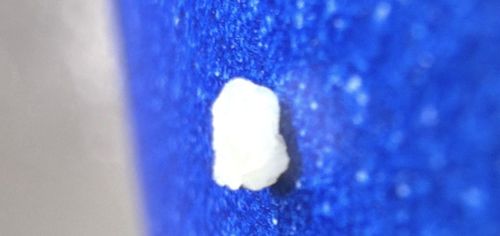
Mealybug
Pseudococcidae (Family)
- Order & Family
- Hemiptera / Pseudococcidae
- Size
- Typically 1 to 4 millimeters in length, though some species can grow slightly larger.
Natural Habitat
Found worldwide in varied climates, typically living on the stems, leaves, and roots of a wide variety of houseplants, greenhouse plants, and outdoor crops like citrus, grapes, and ornamentals.
Diet & Feeding
They feed on plant sap (phloem) by inserting their stylets into plant tissue, often excreting a sticky substance called honeydew as a byproduct.
Behavior Patterns
Mealybugs tend to cluster together in sheltered areas of plants such as leaf axils. They move slowly and produce a protective white, waxy, cotton-like covering. They often have a symbiotic relationship with ants, which protect them in exchange for honeydew.
Risks & Benefits
Risks: Major agricultural and houseplant pests that can stunt growth, cause leaf yellowing and drop, and promote the growth of sooty mold due to honeydew excretion. Benefits: Minimal, primarily serving as food for predatory insects like ladybugs and lacewings.