
Community identification
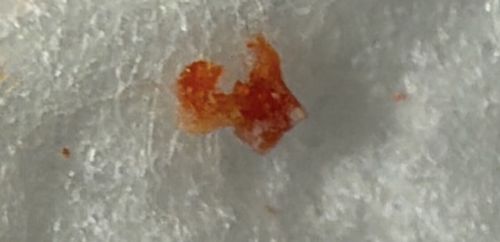
Chigger (Harvest Mite Larva)
Trombicula spp.
- Order & Family
- Order: Trombidiformes; Family: Trombiculidae
- Size
- Larvae (the parasitic stage shown) are microscopic, about 0.15–0.3 mm (1/60th of an inch). Adults are larger, around 1 mm.
Natural Habitat
Grassy fields, forests, parks, and gardens; typically found on low-growing vegetation in moist, shaded areas.
Diet & Feeding
Larvae are parasitic and feed on liquefied skin cells of animals (including humans); adults and nymphs are predatory, feeding on small arthropods and insect eggs.
Behavior Patterns
Larvae wait on vegetation tips to transfer to passing hosts. They do not burrow into the skin but inject enzymes to digest skin cells, forming a feeding tube called a stylostome. After feeding for a few days, they drop off to molt.
Risks & Benefits
Risks: Bites cause intense itching, red welts, and dermatitis (trombiculiasis). In parts of Asia and the Pacific, they can transmit scrub typhus. Benefits: Adults play a minor role in controlling other small arthropod populations.