
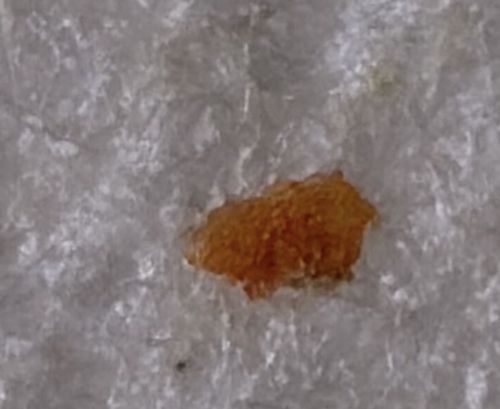
Chigger (specifically the larval stage of a Trombiculid Mite)
Trombicula spp. (e.g., Trombicula alfreddugesi)
- Order & Family
- Order: Trombidiformes; Family: Trombiculidae
- Size
- Extremely small, approximately 0.15 to 0.3 mm (1/150 to 1/100 inch). They are barely visible to the naked eye, appearing as tiny reddish specks.
Natural Habitat
Typically found in tall grass, weeds, forests, berry patches, and areas with dense vegetation. They thrive in humid and shady environments.
Diet & Feeding
In the larval stage (the only stage that is parasitic), they feed on liquefied skin cells of hosts (humans, mammals, birds, reptiles). Adults do not bite; they feed on insect eggs and small invertebrates in the soil.
Behavior Patterns
Larvae cluster on vegetation tips waiting for a passing host. Once on a host, they attach to the skin (usually tight areas like waistbands or socks), inject digestive enzymes to break down skin cells, forming a feeding tube called a stylostome. They drop off after feeding to molt into nymphs.
Risks & Benefits
Risks: Their bites cause intense, persistent itching and red welts (trombiculosis) which can last for weeks. In some parts of Asia and the Pacific, they can transmit scrub typhus (Orientia tsutsugamushi). Benefits: Adult mites play a minor role in soil ecology and pest control by eating insect eggs.