
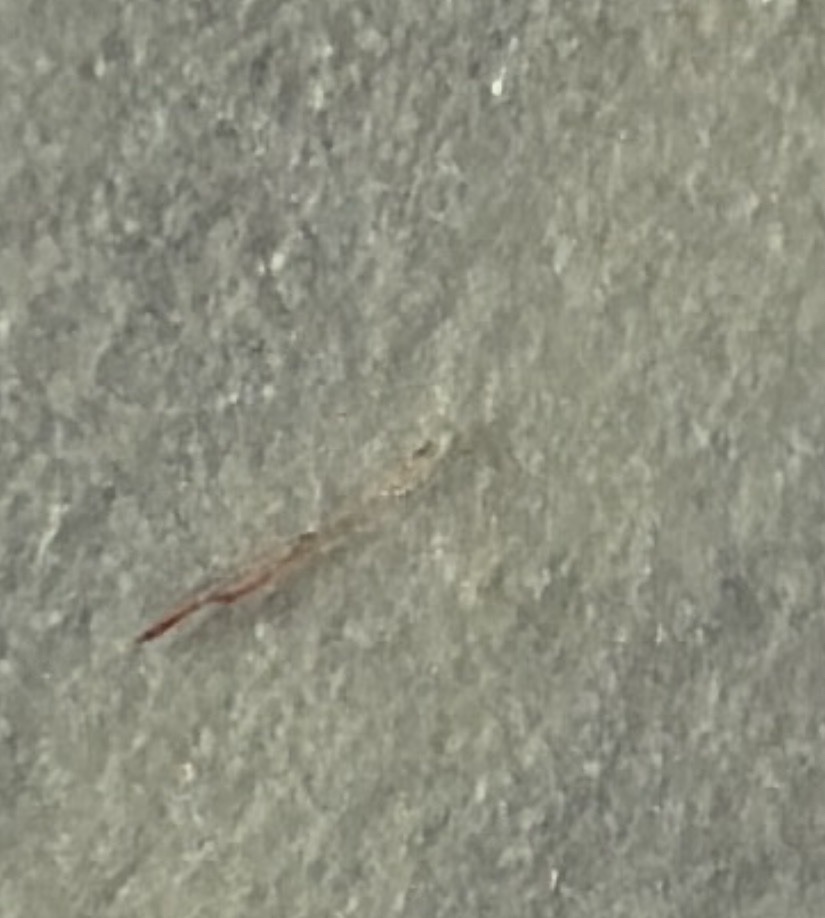
Community identification
Bloodworm (Non-biting midge larva)
Chironomus family
- Order & Family
- Order: Diptera, Family: Chironomidae
- Size
- 2mm to 30mm (typically around 10-15mm)
Natural Habitat
Stagnant or slow-moving freshwater, including ponds, lakes, rivers, and sometimes domestic drain pipes or water filters.
Diet & Feeding
Detritivorous; they feed on organic debris, algae, and microscopic organisms found in the sediment.
Behavior Patterns
They are aquatic larvae that live in silken tubes in the sediment. They contain hemoglobin (giving them their red color), which allows them to survive in very low-oxygen environments. They eventually pupate and emerge as non-biting midges.
Risks & Benefits
They are harmless to humans and do not bite or sting. They are highly beneficial to ecosystems as a primary food source for fish and birds, and they help recycle organic matter in waterways.