Pubic Louse (commonly known as "Crabs")
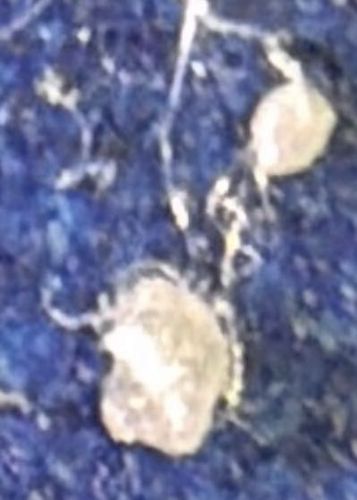
Scientific Name: Pthirus pubis
Order & Family: Order: Psocodea (formerly Phthiraptera); Family: Pthiridae
Size: Approximately 1.5 to 2 millimeters in length (slightly smaller than body lice).
Natural Habitat
Found exclusively on human hosts, primarily inhabiting the coarse hair of the pubic region, though sometimes found in armpit hair, chest hair, beards, or eyelashes.
Diet & Feeding
Hematophagous (blood-feeding); they feed exclusively on human blood.
Behavior Patterns
These parasitic insects are less mobile than head lice. They grasp coarse hair shafts with their specialized claws (which resemble crab claws, hence the nickname) and remain close to the skin to feed. They are typically transmitted through close sexual contact but can occasionally spread via shared clothing, bedding, or towels.
Risks & Benefits
Risks: They cause 'pediculosis pubis,' characterized by intense itching, skin irritation, and sometimes blue-grey spots on the skin (maculae ceruleae) at feeding sites. Scratching can lead to secondary bacterial infections. They do not generally transmit diseases, unlike body lice. Benefits: None; they are obligate parasites.
Identified on: 2/21/2026