Body Louse
Scientific Name: Pediculus humanus humanus
Order & Family: Order: Psocodea, Family: Pediculidae
Size: 2.5 mm to 3.5 mm long
Natural Habitat
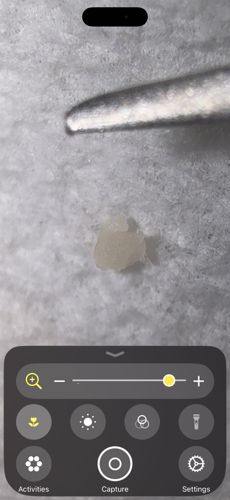
Found on humans, specifically within the fibers of clothing or bedding, and moving to the skin only to feed.
Diet & Feeding
Strict blood feeders (hematophagous), consuming human blood several times a day.
Behavior Patterns
They live and lay eggs (nits) in the seams of clothing. They are typically spread through direct physical contact or by sharing infested clothing/linens. Unlike head lice, they spend most of their time in fabric.
Risks & Benefits
Risks: Can cause intense itching and skin rashes; known vectors for serious diseases such as epidemic typhus, trench fever, and louse-borne relapsing fever. Benefits: None.
Identified on: 1/9/2026