
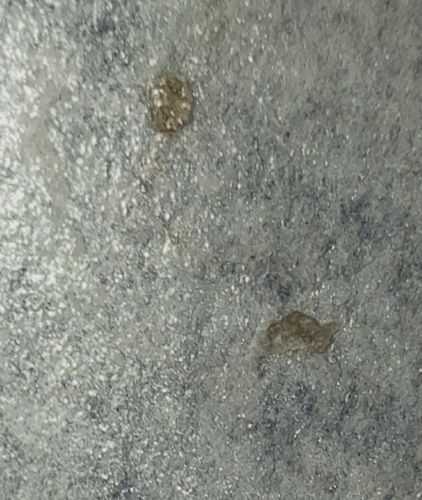
Plaster Bagworm (or Household Casebearer)
Phereoeca uterella
- Order & Family
- Order: Lepidoptera, Family: Tineidae
- Size
- The case is approximately 8-13 mm in length; the larva inside is smaller.
Natural Habitat
Typically found indoors in high-humidity areas, attaching to walls, ceilings, baseboards, and inside closets. They thrive in warm, tropical, and subtropical climates.
Diet & Feeding
Feed on spider webs, old silk cases from other arthropods, wool, hair, lint, dead insects, and general household detritus.
Behavior Patterns
The larva constructs a distinctive flat, pumpkin-seed-shaped protective case out of silk and debris (like sand, paint, or fibers). It drags this case along as it moves. The larva eventually pupates within this case to become a moth.
Risks & Benefits
Generally considered a nuisance pest rather than dangerous. They do not bite or sting humans. However, damage to wool clothing or fabrics is possible, though usually minor compared to clothes moths. They are beneficial in a minor way as they clean up old spider webs.