Springtail
Scientific Name: Collembola (Class/Subclass)
Order & Family: Order: Poduromorpha, Entomobryomorpha, or Symphypleona; Family: Diverse (e.g., Isotomidae, Entomobryidae)
Size: 0.12 mm to 17 mm, though most common species are less than 6 mm.
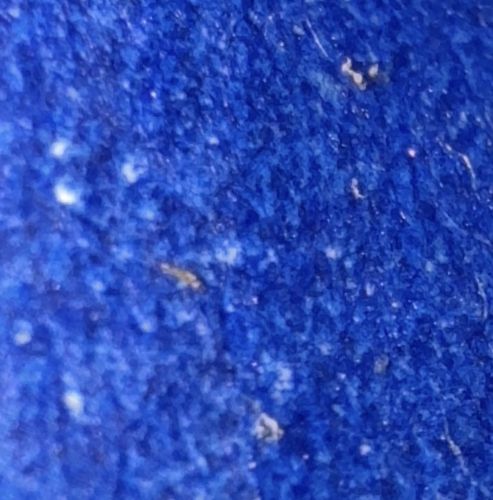
Natural Habitat
Found globally in moist environments including leaf litter, soil, rotting wood, and occasionally indoors in damp areas like bathrooms or near houseplants.
Diet & Feeding
Detritivores and microbivores; they primarily consume decaying organic matter, fungi, mold, algae, and bacteria.
Behavior Patterns
Known for their ability to jump large distances relative to their size using a tail-like appendage called a furcula. They are active year-round and can aggregate in large numbers when moisture is high.
Risks & Benefits
They pose no risk to humans as they do not bite or sting. They are highly beneficial to ecosystems as decomposers that help cycle nutrients and control fungal populations in the soil.
Identified on: 3/28/2026