
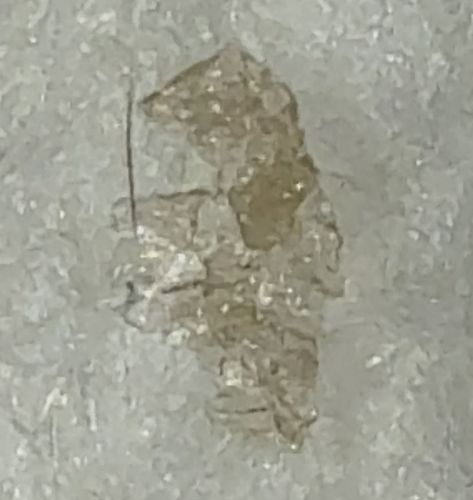
Community identification
Pubic Louse (Crab Louse)
Pthirus pubis
- Order & Family
- Order: Phthiraptera, Family: Pthiridae
- Size
- Typically 1.5 to 2.0 mm in length (roughly smaller than a sesame seed).
Natural Habitat
Exclusively found on the course hair of humans, primarily in the pubic region, but occasionally on eyelashes, eyebrows, beard hair, or chest hair.
Diet & Feeding
Hematophagous (blood-feeders); they feed exclusively on human blood by biting into the skin.
Behavior Patterns
They are sluggish insects that use large claws (resembling crab claws) to tightly grasp hair shafts. They are not known to jump or fly. Their life cycle includes nit (egg), nymph, and adult stages, all spent on the host.
Risks & Benefits
Risks: They cause intense itching (pruritus), skin irritation, and blue-gray spots (maculae ceruleae) at feeding sites. While annoying and socially stigmatized, they are not currently known to transmit disease, unlike body lice. Benefits: None known to humans.