
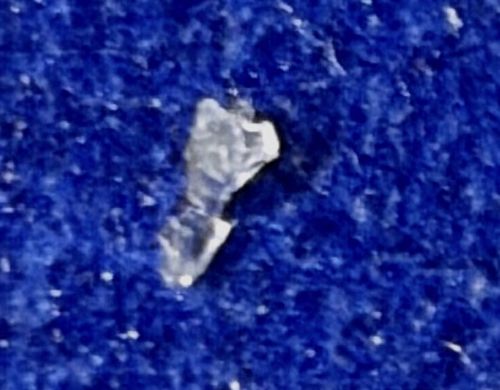
Clothing Moth Larva Case
Tineola bisselliella (Webbing Clothes Moth) or Tinea pellionella (Case-bearing Clothes Moth)
- Order & Family
- Lepidoptera: Tineidae
- Size
- Larval case length is typically 8-10 mm (approx. 1/3 inch).
Natural Habitat
Dark, undisturbed areas in homes such as closets, carpet edges, beneath furniture, and storage boxes containing natural fibers.
Diet & Feeding
Keratin-rich materials including wool, fur, silk, feathers, felt, and sometimes blended synthetic fabrics if they contain sweat or food stains.
Behavior Patterns
The larvae spin a silken case or tube for protection, which they drag around with them (mostly seen in Case-bearing moths) or leave as webbing tunnels (Webbing moths). They shun light and feed quietly on fibers.
Risks & Benefits
Risks: Major household pest that causes significant damage to clothing, rugs, upholstery, and tapestries. Benefits: In nature, they help break down animal matter (like old nests or carcasses), but they serve no benefit inside a home.