
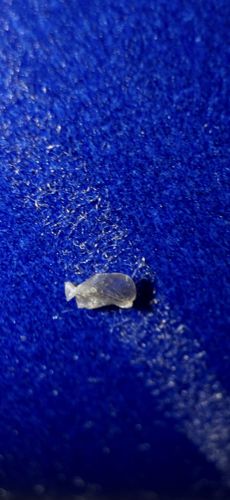
Booklouse
Liposcelis spp. (Common genus for household booklice)
- Order & Family
- Order: Psocodea (formerly Psocoptera), Family: Liposcelididae
- Size
- Very small, typically 1 to 2 millimeters in length.
Natural Habitat
Found in warm, high-humidity environments indoors, such as bathrooms, dusty shelves, kitchen cupboards, or near windows; often associated with damp paper, cardboard, or moldy areas.
Diet & Feeding
Primarily feeds on microscopic mold and fungi, as well as starch found in book bindings, wallpaper paste, and stored grain products.
Behavior Patterns
They are wingless and move by running relatively quickly rather than flying or jumping. They prefer dark, undisturbed areas. Populations can explode if humidity levels remain high.
Risks & Benefits
Generally harmless to humans and pets as they do not bite or transmit disease. However, they can be a nuisance pest and their presence often indicates an underlying moisture or mold issue. In large numbers, they can contaminate stored food products.