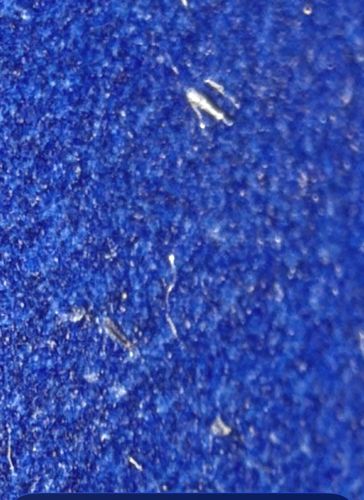
Springtail
Scientific Name: Collembola (subclass)
Order & Family: Order: Entomobryomorpha (likely), Various families like Isotomidae or Entomobryidae
Size: Typically minute, ranging from 0.2 mm to 6 mm in length.
Natural Habitat
Moist environments such as soil, leaf litter, decaying wood, and frequently found floating on the surface of swimming pools due to surface tension.
Diet & Feeding
Detritivores and microbivores; they feed on decaying organic matter, fungi, mold, bacteria, and algae.
Behavior Patterns
Named for their unique jumping ability using a specialized appendage called a furcula, which snaps against the ground to catapult them away from danger. They often congregate in large numbers where moisture is present.
Risks & Benefits
Risks: harmless to humans and pets; they do not bite or sting. Benefits: vital to soil health as they help break down organic matter and cycle nutrients in the ecosystem.
Identified on: 2/25/2026