
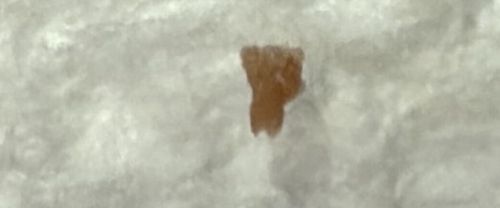
Snow Flea
Hypogastrura nivicola
- Order & Family
- Order: Poduromorpha, Family: Hypogastruridae
- Size
- Very small, approximately 1-2 mm in length.
Natural Habitat
Typically found in leaf litter, soil, and moss during warmer months, but frequently observed in large numbers on the surface of melting snow in late winter or early spring in North America.
Diet & Feeding
Decomposers that feed on decaying organic matter, bacteria, fungal spores, algae, and microscopic organisms found in soil and leaf litter.
Behavior Patterns
Not true fleas, they are a type of springtail. They are notable for their ability to withstand freezing temperatures due to a unique anti-freeze protein in their bodies. They possess a tail-like appendage called a furcula that allows them to catapult or 'jump' large distances relative to their size when disturbed.
Risks & Benefits
Harmless to humans and pets; they do not bite or sting. They are beneficial to the ecosystem as decomposers, helping to break down organic material and enrich the soil.