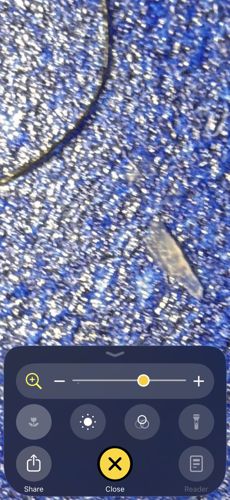
Human Head Louse
Scientific Name: Pediculus humanus capitis
Order & Family: Order: Psocodea / Family: Pediculidae
Size: 2.1 mm to 3.3 mm (roughly the size of a sesame seed)
Natural Habitat
The human scalp and hair, where it stays close to the skin for warmth and food.
Diet & Feeding
Obligate hematophage; feeds exclusively on human blood several times a day.
Behavior Patterns
Wingless and unable to jump; they crawl between hosts through direct head-to-head contact. Females lay eggs (nits) at the base of hair shafts.
Risks & Benefits
Primary risk is intense itching and potential secondary skin infections from scratching. They are considered a nuisance rather than a vector for major diseases.
Identified on: 1/10/2026