
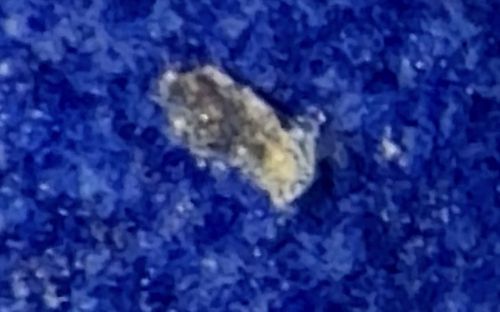
Household Casebearer (often locally called 'Plaster Bagworm')
Phereoeca uterella
- Order & Family
- Order: Lepidoptera, Family: Tineidae
- Size
- Larval case is usually 8–13 mm long (approx. 0.3–0.5 inches)
Natural Habitat
Typically found indoors in humid climates, often on walls, baseboards, or under furniture. They construct a protective case out of silk and available debris (dust, lint, etc.) which they carry around.
Diet & Feeding
The larvae feed on keratin-containing materials such as wool, hair, and spider webs. They will also eat other small insects and general household detritus.
Behavior Patterns
The most distinctive behavior is carrying a flat, pumpkin-seed-shaped case made of silk and debris. The larva lives inside this case and drags it along as it moves. The case has openings at both ends so the larva can turn around inside without leaving.
Risks & Benefits
Generally considered a minor pest rather than a health risk; they do not bite or sting humans. However, in large numbers, they can cause damage to wool clothing, rugs, or tapestries.