
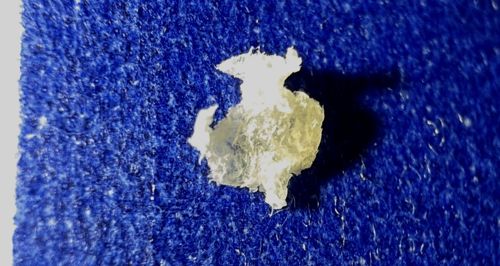
Plaster Bagworm (also known as Household Casebearer)
Phereoeca uterella (formerly Phereoeca dubitatrix)
- Order & Family
- Lepidoptera (Order), Tineidae (Family)
- Size
- Larval cases are typically 8-13 mm (0.3-0.5 inches) long.
Natural Habitat
Typically found indoors in high humidity areas like bathrooms, garages, and closets. They attach to walls, especially on stucco, plaster, or under spiderwebs.
Diet & Feeding
Detritivores that feed on old spider webs, wool, hair, lint, dead insects, and other organic debris found in dust.
Behavior Patterns
The larva constructs a protective, flattened, pumpkin-seed-shaped case made of silk and debris (sand, dust, insect parts) which it carries around. It has openings at both ends allowing the larva to feed and move from either side. It drags this case along surfaces as it searches for food.
Risks & Benefits
Risks: Generally harmless to humans and pets; they do not bite or sting. They can be a minor nuisance pest if populations grow large, potentially damaging woolen fabrics or furs, though they primarily eat old spider silk. Benefits: They act as cleaners by consuming dead insects and old cobwebs.