
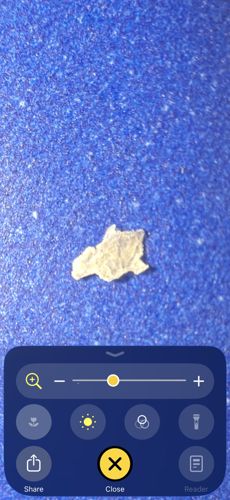
Community identification
Lace Bug
Corythucha spp.
- Order & Family
- Hemiptera: Tingidae
- Size
- 2 to 8 mm in length
Natural Habitat
Typically found on the undersides of leaves of various deciduous trees and shrubs such as oak, sycamore, and azalea.
Diet & Feeding
They feed on plant juices by piercing the leaf epidermis with their needle-like mouthparts.
Behavior Patterns
They are known for their slow movement and the lacy, ornate patterns on their wings and thorax. They often aggregate in large numbers on a single plant, causing stippling or bleaching of foliage.
Risks & Benefits
While they are generally not dangerous to humans, they can be significant garden pests, causing aesthetic damage and weakening plants. In the ecosystem, they serve as a food source for predatory insects like ladybugs and lacewings.