
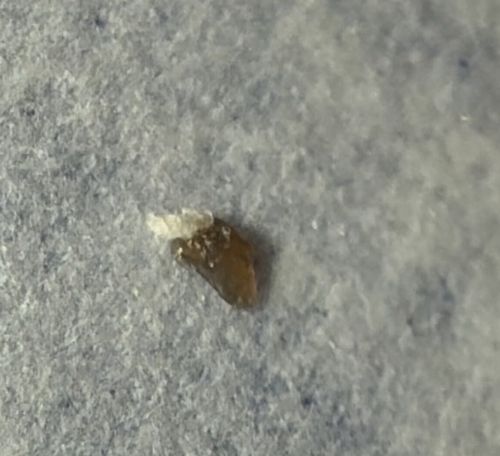
Community identification
Dog Flea / Cat Flea
Ctenocephalides canis / Ctenocephalides felis
- Order & Family
- Order: Siphonaptera; Family: Pulicidae
- Size
- 1.5 mm to 3.3 mm in length
Natural Habitat
Typically found on domestic dogs, cats, or in the sleeping areas and carpets of homes with pets.
Diet & Feeding
Adults are hematophagous, meaning they feed exclusively on the blood of mammals. Larvae feed on organic debris and 'flea dirt' (adult fecal matter).
Behavior Patterns
Fleas are wingless, saltatorial (jumping) insects that use powerful hind legs to leap onto hosts. They undergo complete metamorphosis: egg, larva, pupa, and adult.
Risks & Benefits
Risks include severe itching, allergic dermatitis, and transmission of parasites like tapeworms. They can also transmit bacterial diseases such as murine typhus and plague, although these are less common in urban domestic settings.