
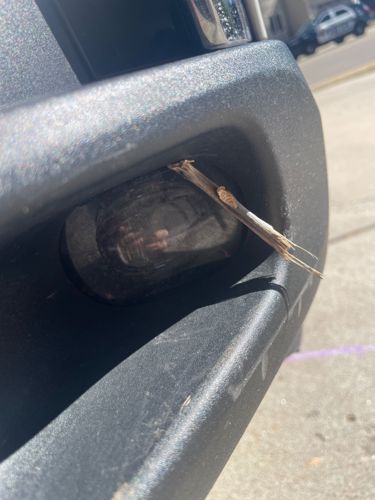
Common Bagworm
Thyridopteryx ephemeraeformis
- Order & Family
- Order Lepidoptera, Family Psychidae
- Size
- Cases typically range from 1 to 2 inches (25 to 50 mm) in length.
Natural Habitat
Found on various host plants including conifers (juniper, arborvitae, cedar) and deciduous trees (maple, oak) across North America.
Diet & Feeding
The larvae are generalist feeders that consume the foliage, needles, and sometimes the bark of their host trees and shrubs.
Behavior Patterns
Larvae construct silk cases camouflaged with bits of twigs and leaves from the host plant. They carry these cases while feeding. Females are flightless and spend their entire lives inside the case, while males emerge as clear-winged moths to mate.
Risks & Benefits
They are considered a significant horticultural pest as heavy infestations can lead to complete defoliation and death of the host tree. They provide no significant benefits to human environments, though they are a food source for some birds and parasitic wasps.