
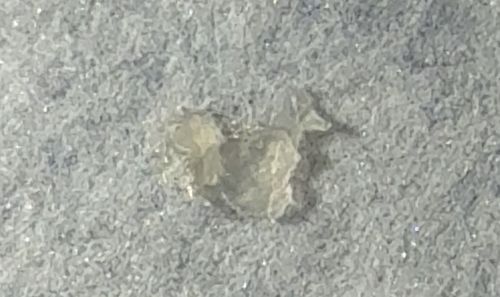
Lace Bug Nymph (Likely)
Corythucha spp. (most likely genus given general appearance)
- Order & Family
- Hemiptera (True Bugs), Tingidae (Lace Bugs)
- Size
- Very small; approximately 3-6 mm (0.12-0.24 inches) in length.
Natural Habitat
Typically found on the undersides of leaves of various deciduous trees such as sycamore, oak, elm, and azalea bushes. They may accidentally end up indoors on clothing or furniture.
Diet & Feeding
Herbivorous sap-suckers. They pierce leaf cells to suck out chloroplasts and juices, causing stippling or bleaching on the leaves.
Behavior Patterns
They are relatively slow-moving and tend to aggregate on the undersides of leaves. As nymphs, they have spiny protuberances. Adults have the characteristic lace-like wings. They overwinter as adults in bark crevices.
Risks & Benefits
Risks: In large numbers, they can cause aesthetic damage to ornamental plants (yellowing or bronzing leaves). They are known to occasionally bite humans if they land on the skin, causing a mild, prickly irritation, though they do not feed on blood or transmit disease. Benefits: Minimal, mainly serving as food for generalist predators like spiders and ladybugs.