Pubic Louse (Crab Louse)
Scientific Name: Pthirus pubis
Order & Family: Order: Phthiraptera, Family: Pthiridae
Size: Typically 1.1 mm to 1.8 mm in length (extremely small, often requiring magnification to identify clearly).
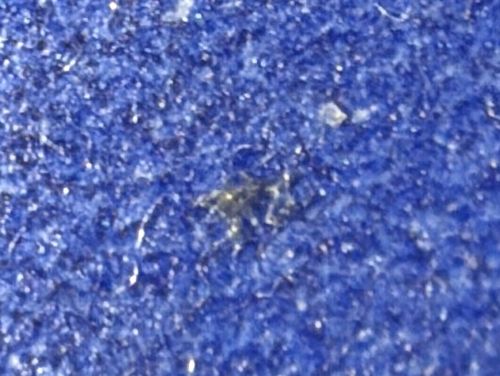
Natural Habitat
Exclusively found on human coarse hair, primarily in the pubic region, but occasionally on eyelashes, eyebrows, beard, mustache, armpit, chest, or back hair.
Diet & Feeding
Hematophagous (solely feeds on human blood).
Behavior Patterns
They grasp hair shafts with specialized claws that resemble crab claws. They are sedentary compared to head lice and usually remain attached to a single hair while feeding. Their life cycle includes egg (nit), nymph, and adult stages.
Risks & Benefits
Risks: They cause intense itching (pruritus) due to an allergic reaction to their saliva. Excessive scratching can lead to secondary bacterial infections. They are spread through close physical contact or sharing contaminated clothing/bedding. No ecological benefits.
Identified on: 2/23/2026