Chigoe Flea (also known as Jigger, Sand Flea, or Chigger)
Scientific Name: Tunga penetrans
Order & Family: Siphonaptera (Fleas), Tungidae
Size: Approximately 1 mm (unfed); up to 1 cm when the female is engorged with eggs.
Natural Habitat
Tropical and subtropical climates, specifically in sandy soil, beaches, stables, and farms where warm-blooded hosts are present.
Diet & Feeding
Hematophagous (feeds on the blood of mammals, including humans, dogs, pigs, and cattle).
Behavior Patterns
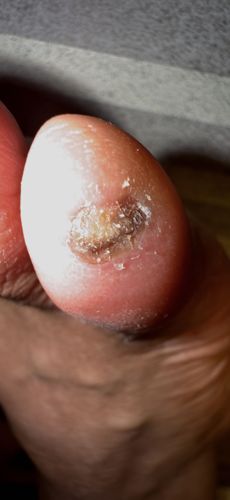
Unlike most fleas that jump on and off hosts, the fertilized female Chigoe flea burrows head-first into the host's skin (usually the feet). She remains permanently embedded, feeding on blood and swelling dramatically as she produces eggs, eventually releasing them through a pore before dying.
Risks & Benefits
Significant risk to humans and animals. Infestation causes Tungiasis, an intensely itchy and painful inflammatory skin disease. Secondary bacterial infections (such as tetanus or gangrene) can occur if untreated, potentially leading to toe amputation or sepsis. They provide no known ecological benefit.
Identified on: 2/9/2026