Tunga penetrans (Chigoe flea)
Scientific Name: Tunga penetrans
Order & Family: Order: Siphonaptera, Family: Tungidae
Size: Before feeding, they are about 1 mm long; after burrowing and becoming gravid, the female can swell to the size of a small pea (up to 10 mm).
Natural Habitat
Found in tropical and subtropical regions of the world, including parts of South America, the Caribbean, and sub-Saharan Africa. They typically live in dry, sandy soil or dust in and around homes and livestock areas.
Diet & Feeding
Adults feed on the blood of mammals, including humans, pigs, dogs, and cats.
Behavior Patterns
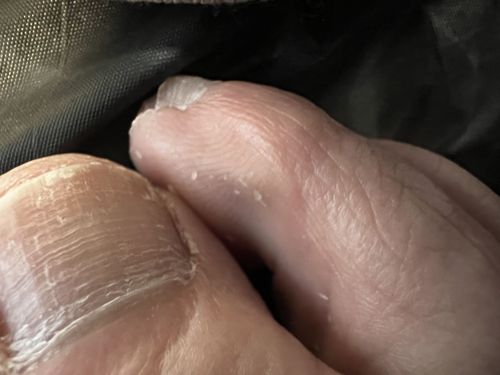
Unlike most flea species, the female Tunga penetrans burrows into the skin of its host (usually under the toenails or between the toes). Once embedded, it stays there to feed and develop eggs, which are then shed into the environment. After several weeks, the flea dies and remains embedded in the skin.
Risks & Benefits
Risks: Causes tungiasis, an inflammatory skin disease characterized by extreme pain, itching, and potential secondary bacterial infections (like tetanus or gangrene). There are no known benefits to the ecosystem or humans.
Identified on: 3/28/2026