Body louse eggs (Nits)
Scientific Name: Pediculus humanus humanus
Order & Family: Order: Psocodea (formerly Phthiraptera), Family: Pediculidae
Size: Approximately 0.8 mm to 1.0 mm in length
Natural Habitat
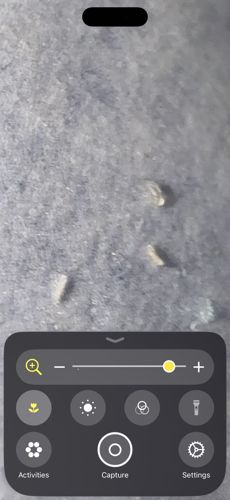
Typically found on the fibers of clothing, bedding, and linens used by humans, most frequently along the seams of undergarments.
Diet & Feeding
Eggs do not eat. However, the hatched nymphs and adults are obligate ectoparasites that feed exclusively on human blood.
Behavior Patterns
The female louse glues these oval-shaped, yellowish-white eggs to clothing fibers. After 7-10 days, nymphs hatch and begin feeding near the skin's surface. They are highly dependent on human body warmth.
Risks & Benefits
Risks: Infestation (pediculosis corporis) causes intense itching and skin irritations. They are also known vectors for serious diseases such as epidemic typhus, trench fever, and louse-borne relapsing fever. There are no ecological benefits.
Identified on: 1/4/2026