
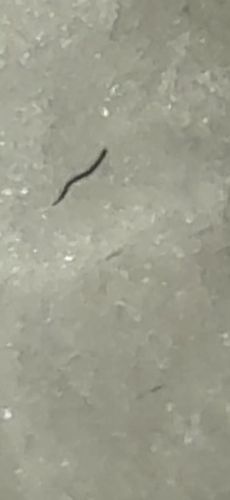
Ice Worm
Mesenchytraeus solifugus
- Order & Family
- Order: Haplotaxida (specifically Enchytraeida), Family: Enchytraeidae
- Size
- Typically 15 to 25 mm (0.6 to 1 inch) in length and very thin (thread-like).
Natural Habitat
Glaciers, ice fields, and permanent snow patches, predominantly found in the coastal ranges of Alaska, British Columbia, Washington, and Oregon.
Diet & Feeding
They feed on snow algae, glacier ice algae, pollen, and other organic debris found on the surface of the snow and ice.
Behavior Patterns
Ice worms come to the surface of glaciers in the late afternoon and evening to feed, avoiding the intense midday sun which can be fatal to them. They burrow back into the ice before dawn to regulate their temperature. They are active at 0°C (32°F) and decompose at temperatures slightly above 5°C (41°F).
Risks & Benefits
Risks: None known to humans; they are harmless. Benefits: They play a niche role in the glacial ecosystem by consuming organic matter and potentially aiding in nutrient cycling on ice surfaces. They are also a subject of scientific interest for their ability to thrive in extreme cold.