Thrips (also known as Thunderbug, Thunderfly, or Corn Louse)
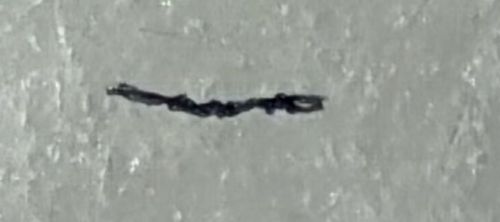
Scientific Name: Order Thysanoptera (likely Family Phlaeothripidae due to the dark, tubular appearance)
Order & Family: Order: Thysanoptera; Families commonly include Thripidae and Phlaeothripidae
Size: Minute insects, typically ranging from 0.5 mm to 2 mm in length (rarely up to 14 mm in tropical species).
Natural Habitat
Found globally on a wide variety of plants, including flowers, crops, and trees. They often migrate into homes through window screens or on clothing, particularly during hot, humid weather.
Diet & Feeding
Most are plant feeders that puncture cells to suck out the contents, causing silvering or browning on leaves. Some species are fungal feeders, and a few are predatory, eating mites and other small insects.
Behavior Patterns
They are weak fliers that often drift on wind currents. They are known for swarming in large numbers before thunderstorms (hence the nickname 'Thunderbugs'). They are attracted to bright colors, especially yellow and white.
Risks & Benefits
Risks: They are major agricultural and horticultural pests that damage plants and can transmit plant viruses. To humans, they are a nuisance and can cause minor skin irritation or a prickly sensation when they land on skin, though they do not bite for blood. Benefits: Predatory thrips can be beneficial biological control agents against mites and whiteflies.
Identified on: 2/22/2026