Booklice (or Psocids)
Scientific Name: Liposcelis spp. (Commonly Liposcelis bostrychophila)
Order & Family: Order: Psocodea (formerly Psocoptera), Family: Liposcelididae
Size: Very small, typically 1 mm to 2 mm in length.
Natural Habitat
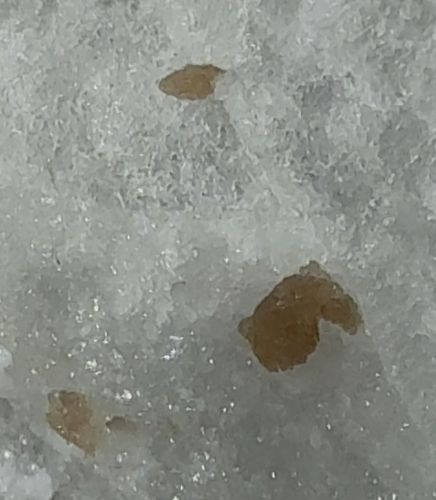
They thrive in high-humidity environments and are often found in damp areas of homes, such as basements, bathrooms, and kitchens. They infest stored dry goods like flour, grains, sugar, and sometimes even salt (though they don't eat the salt itself, but rather the microscopic molds or organic debris within it).
Diet & Feeding
They feed on microscopic molds, fungi, starches, and organic debris. In a pantry setting, they are often drawn to humidity-damaged grains or packaging glue, rather than the food item itself.
Behavior Patterns
Booklice are flightless and move by running quickly. They are often seen scurrying over surfaces. They do not bite humans or animals. Populations can grow rapidly in humid conditions.
Risks & Benefits
Risks: They are a nuisance pest that contaminates stored food products, leading to waste. They can cause allergic reactions in sensitive individuals. Benefits: In nature, they help break down organic matter, but they provide no direct benefit inside a home.
Identified on: 3/2/2026