
Booklouse
Psocoptera (various species)
- Order & Family
- Order Psocoptera, various families (e.g., Liposcelididae)
- Size
- Typically 1-2 mm long
Natural Habitat
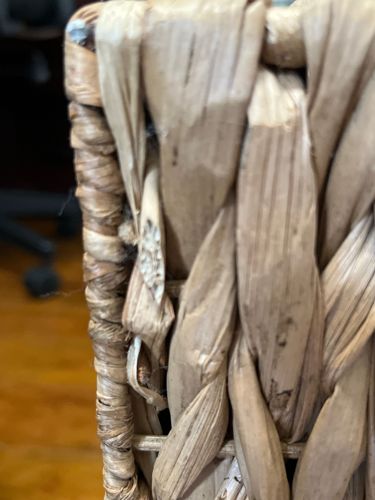
Booklice prefer damp, warm, and dark environments. They are commonly found in homes, libraries, museums, and warehouses, feeding on mold, fungi, starches, and other organic matter. They can be found in books, stored food products, furniture (especially wicker or natural fibers as seen in the image), and wallpaper.
Diet & Feeding
Booklice are scavengers. They feed on microscopic molds, fungi, algae, dead insects, pollen, starches (such as those found in book bindings, wallpaper paste, and cereal products), and other organic detritus.
Behavior Patterns
They are typically wingless or have vestigial wings, though some species are winged. They are nocturnal and avoid light. They reproduce rapidly, with some species being parthenogenetic (females reproduce without males). Their presence often indicates high humidity or moisture problems.
Risks & Benefits
Potential risks: They are generally harmless to humans, not biting or transmitting diseases. However, large infestations can contaminate food products, damage books, papers, and museum collections by feeding on the glues and molds. They can also be a nuisance. Potential benefits: In natural environments, they contribute to decomposition as detritivores by feeding on fungi and decaying organic matter.