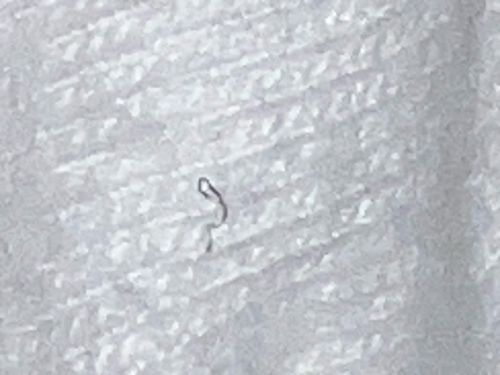
Pinworm
Scientific Name: Enterobius vermicularis
Order & Family: Order: Oxyurida, Family: Oxyuridae
Size: 8 mm to 13 mm for adult females; 2 mm to 5 mm for adult males
Natural Habitat
Inhabits the human large intestine (cecum and appendix) and can be found on bedding, clothing, or skin surfaces in the perianal area during the egg-laying phase.
Diet & Feeding
Feeds on intestinal contents, including bacteria and mucosal cell debris inside the human digestive tract.
Behavior Patterns
Nocturnal behavior where gravid females migrate out of the anus to lay eggs on the surrounding skin, causing intense itching. Eggs become infectious within a few hours and are spread via the fecal-oral route.
Risks & Benefits
Risks include enterobiasis (pinworm infection), characterized by perianal itching, restless sleep, and irritability. It is a highly contagious parasite, particularly in children and household settings. There are no known ecological benefits.
Identified on: 2/13/2026