
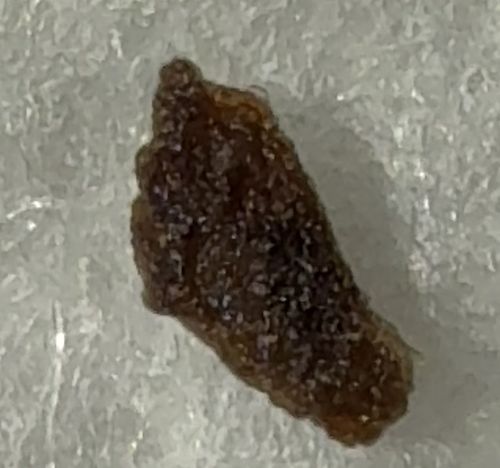
Household Casebearer or Plaster Bagworm
Phereoeca uterella (sometimes referred to as Phereoeca allutella in older texts)
- Order & Family
- Order: Lepidoptera, Family: Tineidae (Clothes Moths)
- Size
- Case size is usually oval and flat, ranging from 8 to 13 mm (approx. 0.3 to 0.5 inches) long.
Natural Habitat
Typically found indoors in high humidity environments such as Florida, Texas, and tropical regions. They frequent closets, bathrooms, attics, and underneath furniture where spider webs accumulate.
Diet & Feeding
The larvae feed on keratin found in animal fibers (wool, silk, fur), spider webs (their primary natural food source), dead insects, and human hair/dander found in dust.
Behavior Patterns
The larva constructs a distinctive flattened, pumpkin-seed-shaped protective case out of silk and debris (sand, soil, frass, paint flakes). It drags this case around as it moves. The larva can turn around inside the case to feed from either end.
Risks & Benefits
Risks: Can be a minor household pest, potentially damaging woolen clothing, rugs, or upholstery, though they are generally less destructive than the Common Clothes Moth. They are harmless to humans (do not bite or sting). Benefits: They help clean up old spider webs and dead insects in hidden corners.