
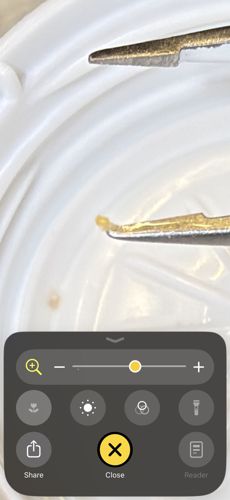
Community identification
Pinworm
Enterobius vermicularis
- Order & Family
- Order: Rhabditida, Family: Oxyuridae
- Size
- 2 to 13 millimeters (females are larger than males)
Natural Habitat
Human large intestine and rectum; eggs are often found in the perianal area and on household surfaces
Diet & Feeding
Feeding on intestinal contents and mucosal cells within the human digestive tract
Behavior Patterns
Females migrate to the anus at night to lay thousands of eggs, causing intense itching. This induces scratching, which facilitates the spread of eggs via hands to surfaces or other hosts.
Risks & Benefits
Potential risk of enterobiasis, characterized by perianal itching and secondary skin infections from scratching; highly contagious among children and household members but generally not life-threatening.