
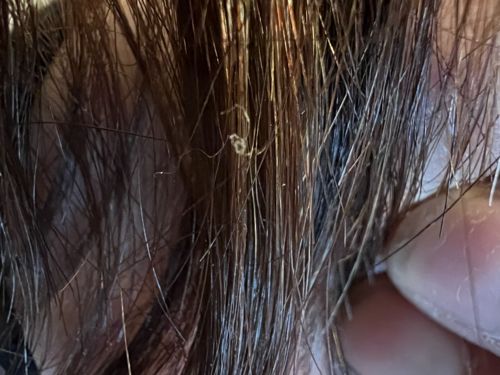
Community identification
Pubic louse (also known as 'crabs')
Pthirus pubis
- Order & Family
- Order Psocodea (formerly Anoplura), Family Pthiridae
- Size
- 1.1 mm to 1.8 mm (roughly the size of a pinhead)
Natural Habitat
Exclusively on humans, primarily inhabiting coarse bodily hair such as pubic hair, but occasionally found in armpits, chest hair, or eyelashes.
Diet & Feeding
Obligate hematophage; it feeds exclusively on human blood several times a day.
Behavior Patterns
Slow-moving and sedentary; they use specialized claws to grasp hair shafts and remain close to the skin. They cannot jump or fly. The life cycle consists of the egg (nit), three nymphal stages, and the adult, spanning about 25–30 days.
Risks & Benefits
Risks include intense itching (pruritus) due to an allergic reaction to their saliva, and potential secondary bacterial skin infections from scratching. They are typically transmitted through close physical or sexual contact. Benefit: None to humans; they are strictly parasitic.