
Community identification
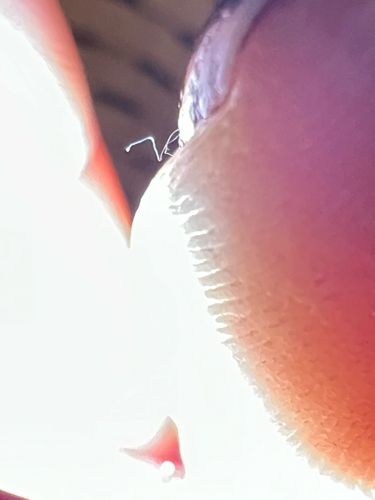
Pinworm
Enterobius vermicularis
- Order & Family
- Order: Oxyurida, Family: Oxyuridae
- Size
- Females: 8–13 mm; Males: 2–5 mm in length.
Natural Habitat
The human gastrointestinal tract, specifically the large intestine and rectum.
Diet & Feeding
They feed on intestinal content and bacteria within the human host.
Behavior Patterns
Nocturnal behavior: Gravid females migrate out through the anus at night to deposit thousands of eggs on the perianal skin. The life cycle is direct, transmitted via the fecal-oral route through ingestion of eggs.
Risks & Benefits
Risk: Causes enterobiasis, characterized by intense anal itching (pruritus ani), which can lead to secondary skin infections, irritability, and disturbed sleep. They offer no known benefits to the host.