
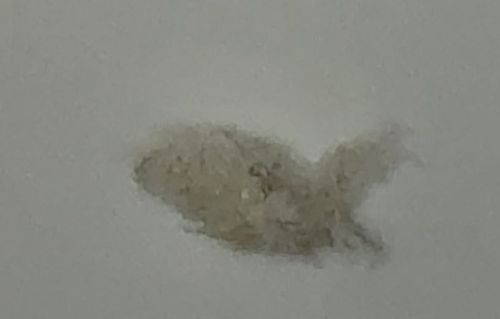
Household Casebearer (often confused with Phereoeca uterella or Tinea pellionella)
Phereoeca uterella
- Order & Family
- Lepidoptera (Order), Tineidae (Family)
- Size
- Larvae/cases typically measure 8 to 13 mm (0.3 to 0.5 inches) in length.
Natural Habitat
Commonly found inside homes, especially in humid climates on baseboards, walls, and in corners. They thrive in dusty areas, under furniture, and in closets.
Diet & Feeding
Larvae feed on silk, wool, human hair, pet hair, dead insects, spider webs, and lint found in household dust.
Behavior Patterns
The larva constructs a distinctive flattened, pumpkin-seed-shaped case out of silk and debris (sand, dust, lint) which acts as camouflage and protection. It drags this case around as it moves. Before pupating, they often climb walls to attach the case to a vertical surface.
Risks & Benefits
Risks: Considered a household pest because they can damage woolen fabrics, carpets, and fur, although they primarily feed on old spider webs and dust. Benefits: They act as minor decomposers of household detritus but are generally unwanted due to potential fabric damage.