
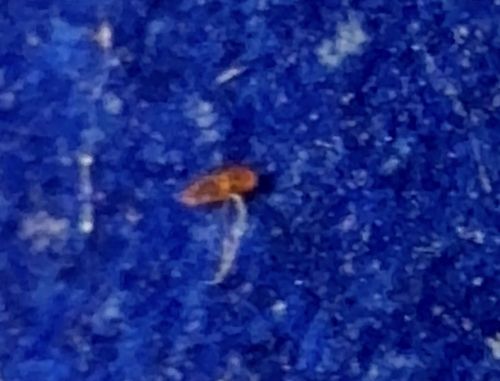
Cat Flea (or general Flea)
Ctenocephalides felis (most common household species)
- Order & Family
- Order: Siphonaptera, Family: Pulicidae
- Size
- 1.5 to 3.3 mm long
Natural Habitat
Found worldwide in association with mammals and birds. Indoors, they live in carpets, pet bedding, upholstered furniture, and cracks in flooring.
Diet & Feeding
Adults are parasitic and feed exclusively on the blood of hosts (cats, dogs, humans, wildlife). Larvae feed on organic debris, particularly the dried blood feces ('flea dirt') left by adults.
Behavior Patterns
Fleas are wingless but are powerful jumpers, capable of leaping great distances relative to their size to reach a host. They undergo complete metamorphosis (egg, larva, pupa, adult). The pupal stage can remain dormant for months until vibration or heat signals a host's presence.
Risks & Benefits
Risks: Their bites cause intense itching, allergic reactions (flea allergy dermatitis), and potential secondary infections. They are vectors for diseases such as murine typhus and can transmit tapeworms to pets. Benefits: None in a domestic setting; they are significant pests.