
Little Black Ant
Monomorium minimum
- Order & Family
- Hymenoptera, Formicidae
- Size
- 1-2 mm
Natural Habitat
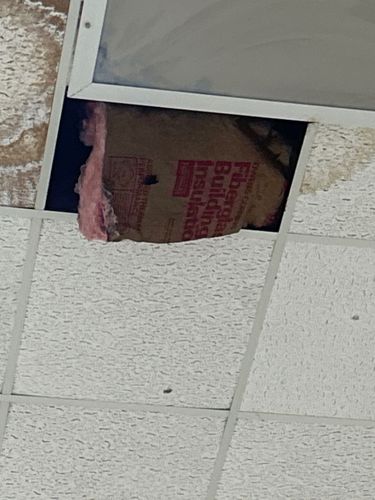
Found widely across North America, nesting outdoors in open areas, under rocks, in rotting wood, and sometimes indoors in wall voids, insulation, and woodwork.
Diet & Feeding
Omnivorous; they feed on many kinds of food, including sweets, meats, vegetables, and greasy foods. They are also known to scavenge on dead insects.
Behavior Patterns
These ants are known for foraging in trails, often entering homes in search of food. They are generally active during the day. Colony sizes can reach several thousand individuals.
Risks & Benefits
Potential risks include being a nuisance pest when they invade homes searching for food. They do not pose significant health risks or structural damage. Benefits include participating in decomposition and acting as predators of other small insects.