
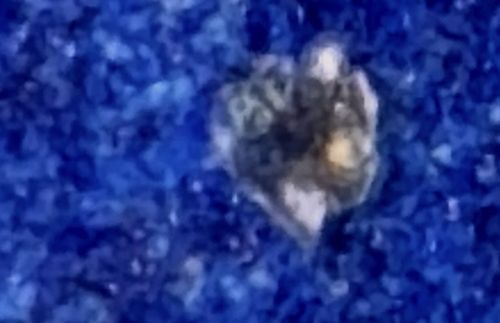
Household Casebearer (often Plaster Bagworm or Case-bearing Clothes Moth larva)
Phereoeca uterella (Plaster Bagworm) or Tinea pellionella (Case-bearing Clothes Moth)
- Order & Family
- Order: Lepidoptera, Family: Tineidae
- Size
- Larval case is typically 8-13 mm (0.3-0.5 inches) long.
Natural Habitat
Commonly found indoors on walls, in closets, under furniture, or on carpets. They thrive in humid environments and are often seen in homes in warmer climates like Florida.
Diet & Feeding
The larvae feed on keratin-rich materials such as wool, silk, fur, hair, and feathers. They also eat spider webs, dead insects, lint, and general household dust.
Behavior Patterns
The larva constructs a protective case out of silk and debris (sand, dust, lint) which is shaped like a flattened pumpkin seed or diamond. It drags this case around as it moves and can pull itself inside completely when threatened. They eventually pupate inside the case before emerging as small moths.
Risks & Benefits
Risks: They are household pests that can damage clothing, rugs, and upholstery made of natural fibers. They do not bite or sting humans and pose no direct health threat. Benefits: Minimal, other than playing a small role as detritivores recycling organic matter.