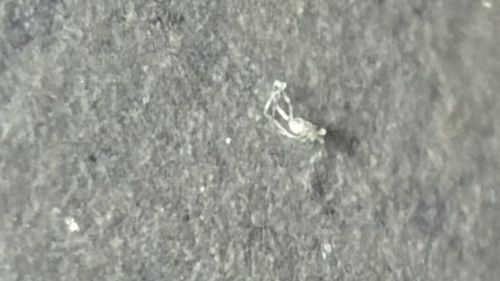
Lawn Prawn (or Landhopper)
Scientific Name: Arcitalitrus sylvaticus (common species, though exact identification requires microscopic analysis)
Order & Family: Order: Amphipoda, Family: Talitridae
Size: Typically 5mm to 10mm in length
Natural Habitat
Damp environments rich in organic matter, such as leaf litter, mulch, garden soil, and compost heaps. They often migrate to hard surfaces like concrete after heavy rain to avoid drowning.
Diet & Feeding
Detritivores: They feed on decaying organic plant matter, breaking down dead leaves and damp wood.
Behavior Patterns
Nocturnal and moisture-dependent. They are famous for jumping erratically like fleas when disturbed. They lack a waxy exoskeleton, making them prone to desiccation (drying out), which is why they die quickly indoors or on dry surfaces.
Risks & Benefits
Benefits: Excellent decomposers that help aerate soil and break down organic waste. Risks: Harmless to humans and pets (they do not bite or sting). Can be a nuisance pest if they invade homes in large numbers, often appearing as 'dead, pinkish shrimp' on floors.
Identified on: 2/15/2026