
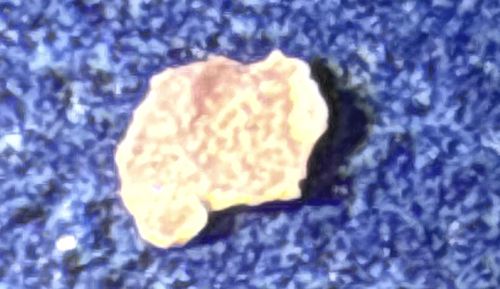
Household Casebearer Case
Phereoeca uterella (or related species like Phereoeca allutella)
- Order & Family
- Lepidoptera: Tineidae
- Size
- Case length usually ranges from 10 to 15 mm (0.4 to 0.6 inches).
Natural Habitat
Typically found indoors in humid climates, often on walls, baseboards, under furniture, or inside closets.
Diet & Feeding
The larva feeds on old spider webs (contains dried insect remains), wool, hair, lint, and other natural fibers or organic detritus.
Behavior Patterns
The larva constructs a flattened, pumpkin-seed-shaped protective case out of silk and debris (sand, soil, fibers), which it carries around. It can extend its head and legs from either end to crawl. Before pupating, they often attach the case to a vertical surface like a wall.
Risks & Benefits
Generally considered a minor pest rather than a major threat. They do not bite or sting humans. While they can feed on wool or natural fibers, damage is usually minimal compared to clothes moths unless infestation is severe. They can be beneficial by cleaning up old spider webs.