
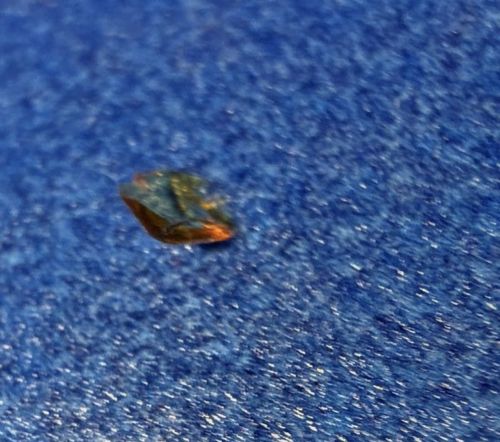
Community identification
Bed Bug (Nymph or Exoskeleton)
Cimex lectularius
- Order & Family
- Order: Hemiptera, Family: Cimicidae
- Size
- Commonly 4-5 mm (adults), but nymphs can be as small as 1.5 mm (like a sesame seed) and are often translucent or lighter in color.
Natural Habitat
Indoor environments primarily near sleeping areas, including mattress seams, box springs, bed frames, furniture crevices, and behind wallpaper or baseboards.
Diet & Feeding
Hematophagous (blood-feeder). They feed exclusively on the blood of warm-blooded animals, preferring humans.
Behavior Patterns
Nocturnal and cryptic; they hide during the day in tight cracks and crevices and emerge at night to feed. They are attracted to carbon dioxide and body heat.
Risks & Benefits
Risks: Bed bugs cause itchy, red welts from bites, can lead to secondary skin infections from scratching, and cause significant psychological distress, anxiety, and insomnia. They are not known to transmit diseases to humans. Benefits: None.