Lawn Shrimp (also known as House Hopper or Land Amphipod)
Scientific Name: Arcitalitrus sylvaticus
Order & Family: Order: Amphipoda, Family: Talitridae
Size: Typically 5 to 20 mm (0.2 to 0.8 inches) in length.
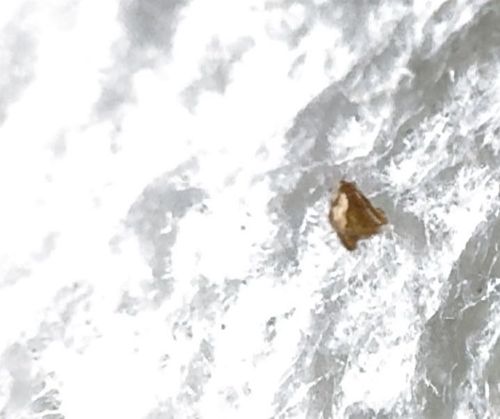
Natural Habitat
Typically found in moist soil, mulch, leaf litter, and under potted plants. They often migrate onto patios, sidewalks, or into homes after heavy rains when their soil habitat becomes saturated.
Diet & Feeding
Detritivores; they feed on decaying organic matter such as rotting leaves and soft mulch.
Behavior Patterns
They are nocturnal scavengers that require high humidity to survive. When disturbed or dying (often from desiccation on dry surfaces), they jump erratically, hence the name 'house hopper.' They turn distinctively pink or orange when dead, resembling cooked shrimp.
Risks & Benefits
Risks: None to humans or pets; they do not bite, sting, or carry diseases. They are strictly a nuisance pest when they die in large numbers indoors. Benefits: They aid in the decomposition of organic matter, enriching soil.
Identified on: 2/20/2026