
Community identification
Plume Moth
Pterophoridae (Family)
- Order & Family
- Lepidoptera / Pterophoridae
- Size
- Wingspan typically ranges from 15 to 30 millimeters
Natural Habitat
Found worldwide in varied habitats including gardens, open fields, and occasionally inside homes, often attracted to light.
Diet & Feeding
Larvae feed on leaves, stems, flowers, and roots of various herbaceous plants (like geraniums, snapdragons, and thistles); adults consume nectar.
Behavior Patterns
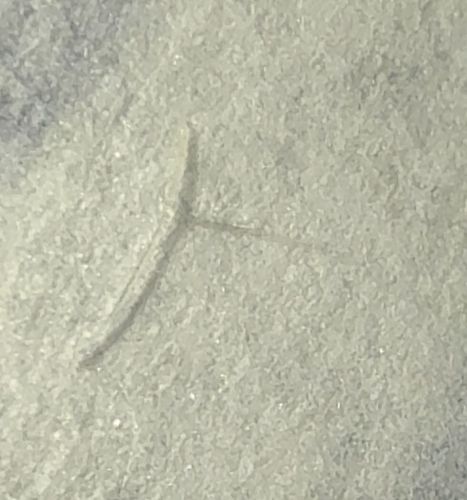
Characterized by their unique resting posture where wings are rolled up tightly perpendicular to the body, creating a 'T' shape. They are weak fliers and are typically nocturnal or crepuscular.
Risks & Benefits
Generally harmless to humans (they do not bite or sting). The larvae can be minor garden pests depending on the host plant, but some species are used as biological control agents for invasive thistles.