
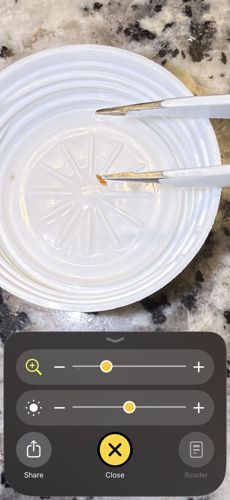
Community identification
Bed Bug (Nymph)
Cimex lectularius
- Order & Family
- Order Hemiptera, Family Cimicidae
- Size
- Nymphs range from 1.5mm to 4.5mm depending on their developmental stage; adults are about 5mm to 7mm.
Natural Habitat
Found in close proximity to human sleeping quarters, including mattresses, bed frames, furniture, and cracks or crevices in walls.
Diet & Feeding
Obligate hematophages, meaning they feed exclusively on the blood of warm-blooded animals, primarily humans.
Behavior Patterns
Primarily nocturnal, emerging from hiding at night to feed. They undergo five nymphal stages, requiring a blood meal to molt into the next stage and eventually reach adulthood.
Risks & Benefits
Risks include itchy skin rashes, psychological distress, and potential allergic reactions from bites. They are not known to transmit diseases to humans. There are no ecological benefits to their presence in human dwellings; they are considered household pests.