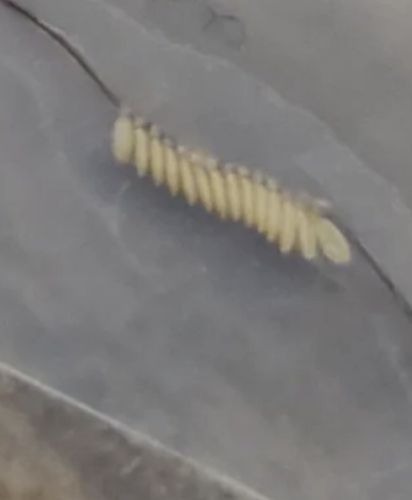
Green Lacewing Eggs (Stalked Eggs)
Scientific Name: Chrysoperla spp. (e.g., Chrysoperla carnea)
Order & Family: Neuroptera; Family: Chrysopidae
Size: Individual eggs are approximately 1-2mm long; the stalk is roughly 10-15mm long.
Natural Habitat
Found in gardens, agricultural crops, grasslands, and forests, often attached to leaves, plant stems, or windowpanes near potential food sources.
Diet & Feeding
Eggs do not feed. However, the larvae that hatch (aphid lions) are predatory and feed on aphids, mites, thrips, mealybugs, and other soft-bodied insects. Adults feed on pollen, nectar, and honeydew.
Behavior Patterns
Females lay eggs individually on long, hair-like stalks to keep them out of reach of predators, including their own cannibalistic siblings who might hatch first. They are often laid in clusters or singly.
Risks & Benefits
Benefits: Highly beneficial. The larvae (known as 'aphid lions') are voracious predators of garden pests like aphids and mites. Risks: None to humans; they do not bite or sting and are safe to handle.
Identified on: 3/2/2026