
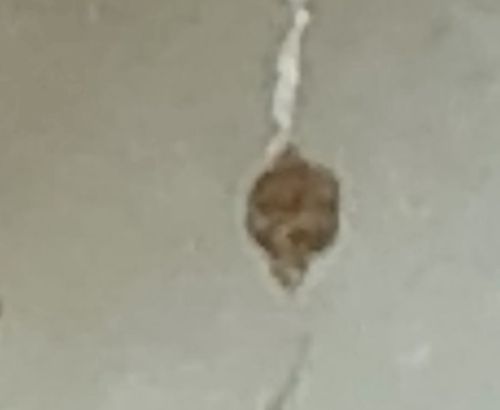
Plaster Bagworm
Phereoeca uterella
- Order & Family
- Order: Lepidoptera, Family: Tineidae
- Size
- Larval case is typically 8 mm to 13 mm (0.3 to 0.5 inches) long.
Natural Habitat
Typically found indoors in warm, humid climates; they often inhabit closets, garages, and underneath furniture where spider webs or fibers are present. They are commonly seen attached to walls, especially on stucco or plaster.
Diet & Feeding
Detritivores feeding on silk (often from spider webs), wool, loose hairs, lint, dried insect remains, and other organic debris found in household dust.
Behavior Patterns
The larva constructs a distinctive flattened, pumpkin-seed-shaped case made of silk, sand, lint, and debris, which it carries around for protection. It has openings at both ends of the case, allowing the larva to turn around inside and peek out from either side to move or feed. It eventually pupates inside this case.
Risks & Benefits
Generally considered a harmless nuisance pest. They do not bite or sting humans. While they can feed on woolen fabrics or rugs, they rarely cause significant damage unless the infestation is large. They are beneficial in a minor way as they clean up spider webs and dust bunnies.