
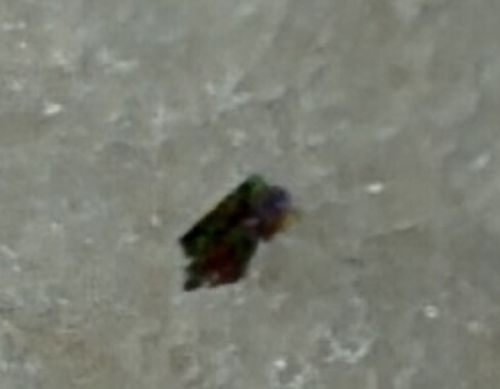
Household Casebearer (or Case-bearing Clothes Moth Larva)
Phereoeca uterella (or Tinea pellionella)
- Order & Family
- Order: Lepidoptera, Family: Tineidae
- Size
- Larval case is typically 8-13 mm long.
Natural Habitat
Commonly found indoors on walls, in closets, and along baseboards, especially in humid environments like Florida and the tropics.
Diet & Feeding
Larvae feed on old spider webs (the primary diet for Phereoeca uterella), wollens, hair, dead insects, and fibers. The case-bearing clothes moth (Tinea pellionella) targets keratin-based materials like wool, silk, and fur.
Behavior Patterns
The larva builds a flattened, pumpkin-seed-shaped protective case out of silk and debris (sand, soil, insect parts) which it carries around. It lives inside this case, poking its head and legs out to move. Before pupating, they often climb up walls to attach their case high up.
Risks & Benefits
Generally harmless to humans (they do not bite or sting). However, they can be minor household pests if present in large numbers, potentially damaging wool clothing or rugs. Phereoeca uterella is often beneficial as a cleaner of old cobwebs.