
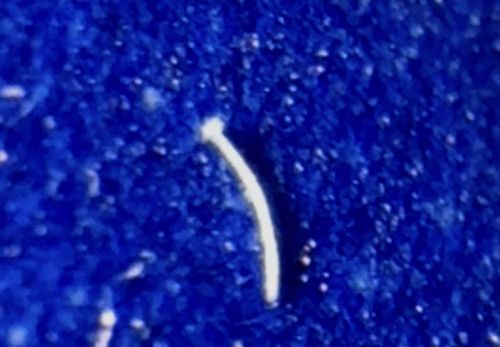
Planarian (Aquatic Flatworm)
Turbellaria (multiple genera usually involved in common sightings, such as Dugesia)
- Order & Family
- Order Tricladida, Class Turbellaria, Phylum Platyhelminthes
- Size
- Usually 3 mm to 15 mm in length, though some species can grow larger.
Natural Habitat
Typically found in freshwater environments, including ponds, lakes, streams, and often discovered in aquariums or swimming pools.
Diet & Feeding
Carnivorous scavengers or predators; they feed on small invertebrates like protozoa, rotifers, small crustaceans, worms, and dead or decaying animal matter.
Behavior Patterns
They are known for gliding smoothly along surfaces (like pool walls or aquarium glass) using cilia and a mucus trail. They are photosensitive and often nocturnal, hiding under rocks or debris during the day. Notably famous for their regenerative abilities—if cut into pieces, each piece can grow into a new worm.
Risks & Benefits
Generally harmless to humans (non-parasitic). In aquariums, they can be a nuisance and may prey on shrimp eggs or very small fry, but they are beneficial scavengers that help decompose organic waste in natural ecosystems.